


Comprehensive Guide to Water Treatment Chemicals: Scale Inhibitors, Biocides & Custom Solutions
Introduction & Operational Overview
Industrial water systems—including Reverse Osmosis (RO) plants, open recirculating cooling towers, and heavy industrial boiler systems—operate under continuous thermal and chemical stress. Without proper chemical management, facilities face severe operational risks caused by mineral scaling, equipment corrosion, and biological bio-fouling.
To help site engineers, water treatment specialists, and plant managers navigate these technical challenges, this comprehensive guide explores the primary chemical categories, application-specific operational strategies, and custom blending methodologies required to maintain peak system efficiency.
1. Core Water Treatment Chemistries & Molecular Mechanisms
Selecting the correct chemical treatment requires a thorough assessment of raw water quality, including key parameters such as the Langelier Saturation Index (LSI), pH, total dissolved solids (TDS), and specific ion concentrations.
Organophosphonates (Organophosphonic Acids)
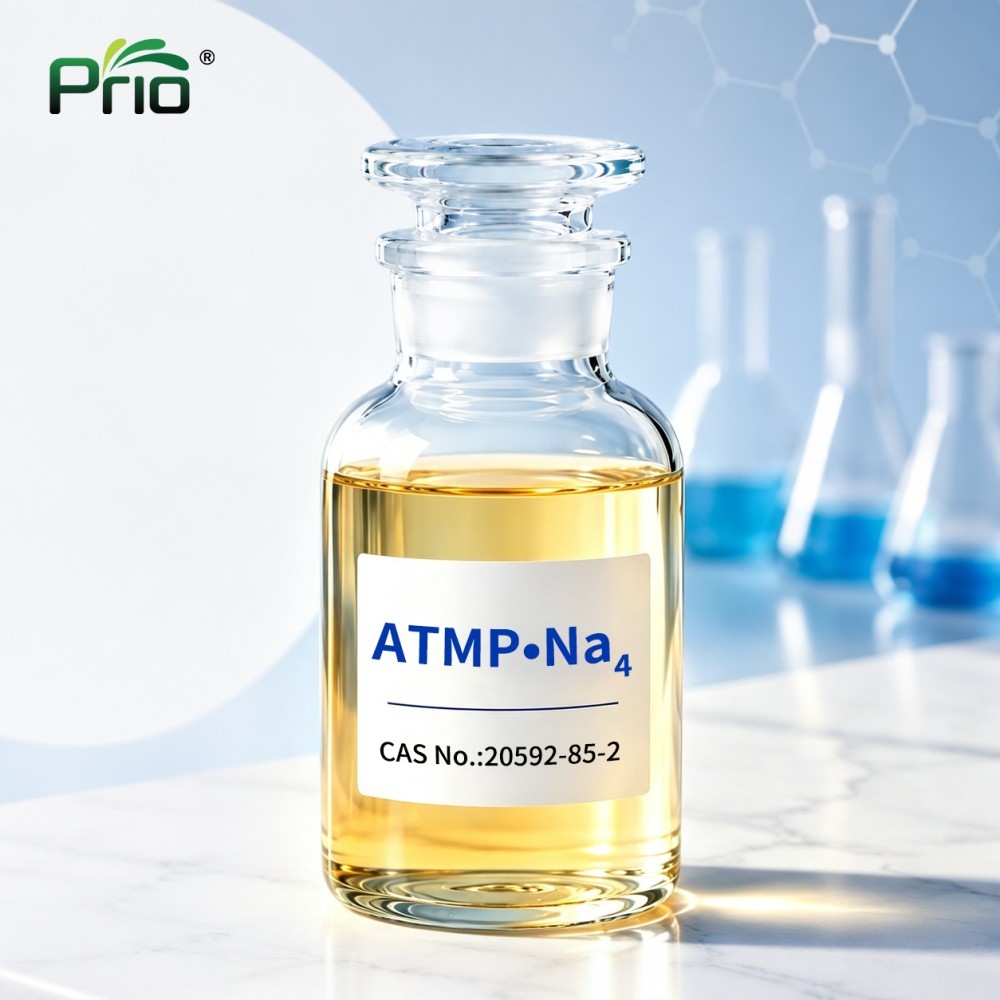
Organophosphonates remain the industry standard for scale threshold inhibition and metal corrosion control. Molecules such as HEDP and ATMP work by adsorbing onto mineral crystal nuclei, altering their crystal growth pattern, and preventing hard scale adherence.
Beyond basic cooling circuits, certain advanced organophosphonates perform crucial roles in complex industrial applications. For instance, plant engineers often evaluate whether
Polycarboxylates & Synthetic Co-polymers
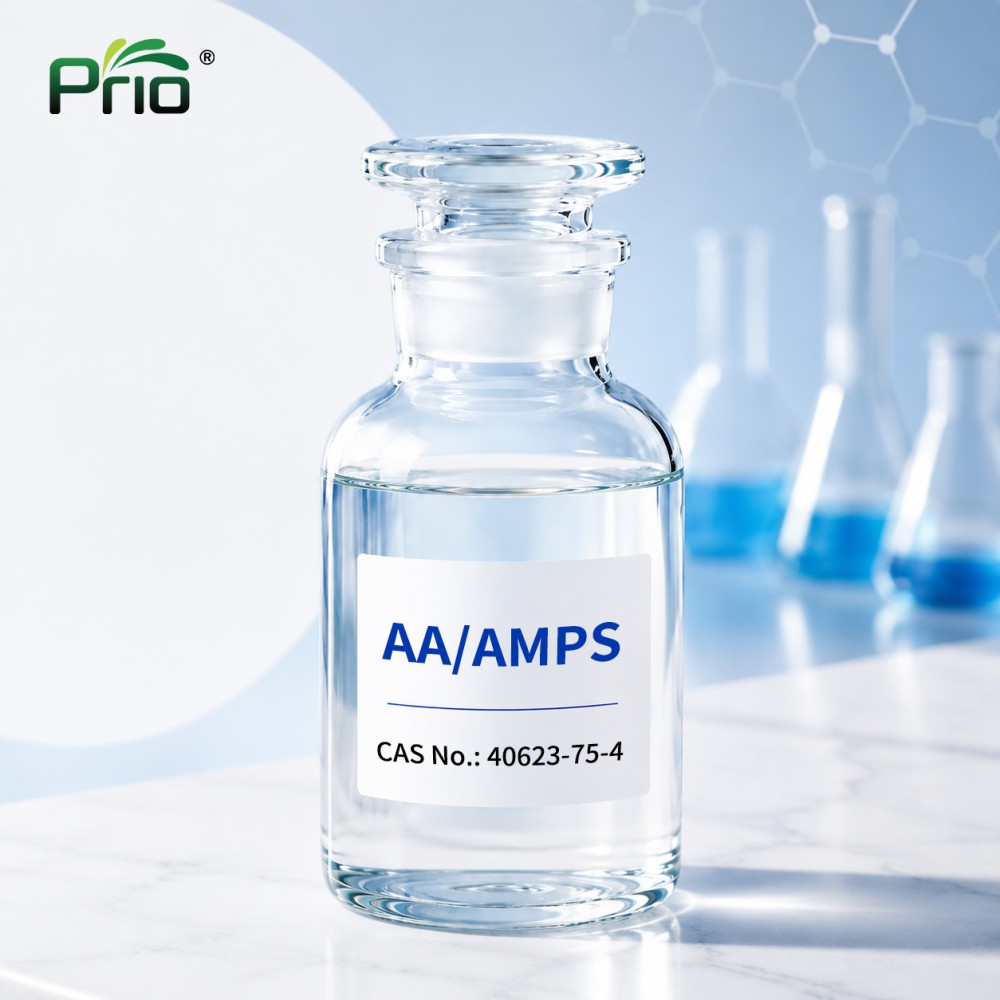
While organophosphonates manage mineral crystallization, polycarboxylate polymers provide crucial dispersancy for suspended solids, iron oxides, and insoluble metal salts.
Understanding how different polymer structures behave under elevated thermal or chemical stress is essential for designing robust chemical programs. A detailed breakdown can be found in our
Advanced Solutions for Extreme Water Conditions
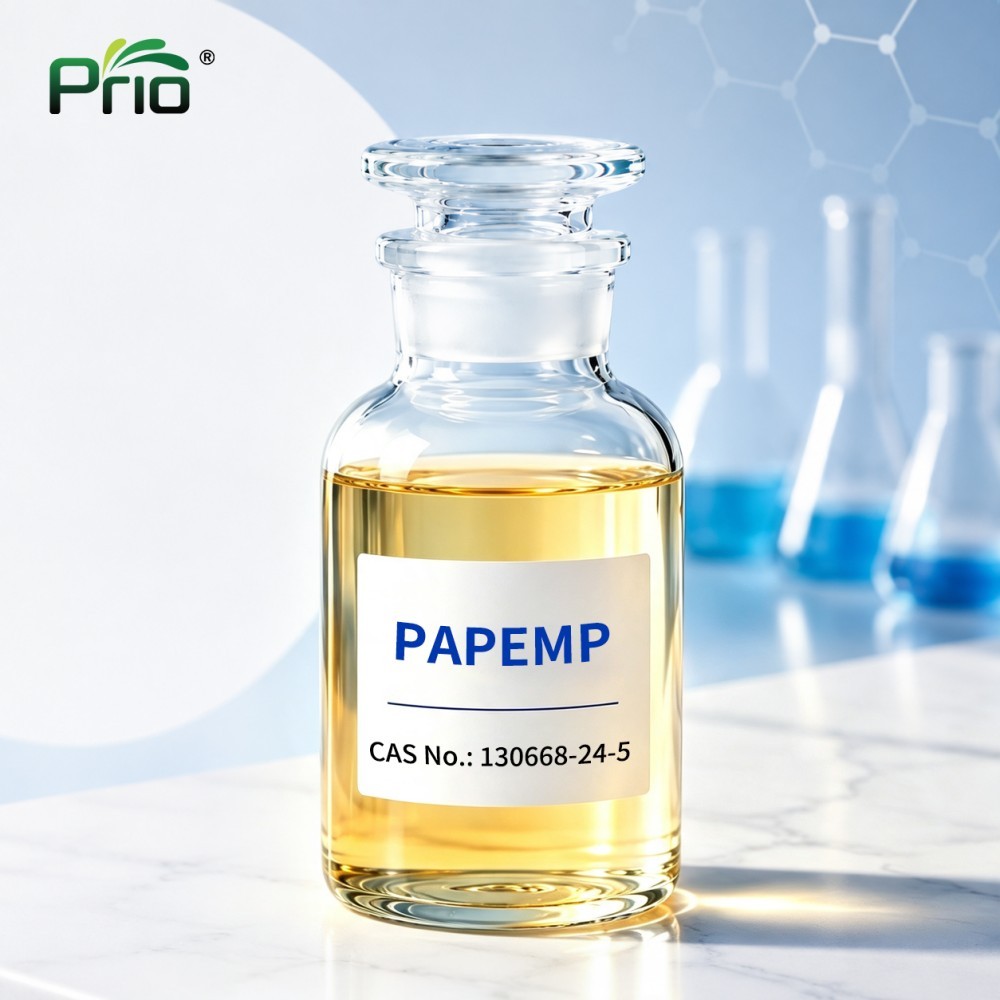
When water conditions exceed traditional operational boundaries—such as operating under elevated pH, high alkalinity, or severe calcium hardness—standard phosphonates can precipitate out as insoluble calcium salts.
In these challenging environments, next-generation chemistries are required. Plant operators frequently analyze
2. Membrane & Reverse Osmosis (RO) Water Treatment Solutions
In Reverse Osmosis systems, membrane surfaces continuously process concentrate streams, leading to localized ion supersaturation and high scaling potential.
Addressing Complex Feedwater & Sulfate Scaling
When feedwater contains high levels of sulfate ions (SO42-), classic antiscalants often struggle to prevent barium sulfate (BaSO4), strontium sulfate (SrSO4), or calcium sulfate (CaSO4) precipitation. Engineers dealing with difficult well water or industrial wastewater must know
High-Recovery Operational Risk Management
Pushing RO systems to maximum recovery rates (>75%) significantly reduces wastewater volumes, but exponentially increases the risk of scale fouling.
When scale formation suddenly occurs, plant engineers must conduct forensic evaluations into
3. Cooling Water & Power Plant System Management
Recirculating cooling towers in chemical plants, refineries, and power generation facilities continuously evaporate water, concentrating dissolved solids and accelerating equipment wear.
Chemistries Selection & Program Design
Designing an effective cooling tower chemical package requires a balanced approach between scale inhibition, dispersion, and corrosion protection for carbon steel and yellow metals.
Facility managers comparing chemical strategies often evaluate
Power Generation Applications
In power plant cooling circuits, thermal loads are exceptionally high, making heat exchanger surfaces vulnerable to rapid fouling. Maintaining continuous thermal throughput requires an integrated treatment program that combines scale inhibitors, corrosion inhibitors (like BTA/TTA), and dispersants.
Implementing a tailored
4. Biological Growth & Bio-Fouling Control
Biological fouling poses a major threat to industrial water systems. Left unchecked, algae, fungi, and heterotrophic bacteria form dense biofilms that impede heat transfer far more severely than mineral scale, while creating localized environments for Microbiologically Induced Corrosion (MIC).
To effectively maintain system hygiene, water managers must balance the immediate kill rates of oxidizing chemicals with the deep biofilm-penetrating capabilities of non-oxidizing chemistries. Implementing an
5. Technical Support, R&D & Operational Cost Optimization
A successful water treatment chemical program depends on precise analytical chemistry and empirical validation rather than off-the-shelf guesswork.
Laboratory Bench Testing & Custom Blending
Because every industrial water source possesses a unique chemical profile, off-the-shelf formulations often yield suboptimal results.
Before deploying new chemical products on-site, technical teams should follow
Dosing Optimization & OPEX Reduction
Chemical over-dosing needlessly increases operational expenditure (OPEX) and can cause secondary chemical fouling, while under-dosing leads to rapid equipment scaling and costly acid-cleaning downtime.
By leveraging predictive water modeling software and precise dosage algorithms, facility engineers can learn
Technical FAQ
Q1: What is the primary difference between threshold inhibition and dispersion?
Threshold inhibition prevents scale formation at sub-stoichiometric concentrations by interfering with initial crystal nucleus growth. Dispersion keeps formed micro-crystals or particulate matter suspended in the water column so they can be continuously flushed out rather than settling on heat transfer surfaces.
Q2: Why is biocide rotation necessary in open cooling tower systems?
Continuous exposure to a single non-oxidizing biocide can lead to bacterial acclimatization and survival of resistant strains within biofilms. Alternating between oxidizing biocides (e.g., chlorine dioxide or hypochlorite) and complementary non-oxidizing biocides (e.g., Isothiazolinone or DBNPA) ensures complete biofilm eradication.
Request Technical Evaluation & Water Testing
Looking to optimize your water treatment system or develop custom chemical formulations?
Technical Enquiries: shadysun@priowater.com
Services: Professional water quality analysis, dynamic scale loop testing, and customized chemical blending for global industrial applications.

ONLINE CONSULTATION
If you have any questions, please contact us and we will contact you as soon as possible.